
How to Use This Guide
Follow these 3 simple steps to maximize the value of your terminology list and get your team speaking the same language.
Step 01
Onboard New Team Members
Include this PDF in your welcome packet for new hires. It helps them quickly get up to speed with the specific acronyms and language your continuous improvement team uses daily.
- Welcome Packet: Send on Day 1.
- Bridge Gaps: Reduce initial confusion.
- Clarify: Define internal acronyms early.
Example: The "Takt Time" Confusion
New hires often confuse speed with demand.
- Cycle Time: How fast you actually work.
- Takt Time: How fast the customer demands product.
Step 02
Decode the Jargon
Keep a digital copy on your desktop. When you encounter a complex term like "Heijunka" or "Poka-Yoke" in a meeting, use Ctrl+F to find the definition instantly.
- Digital Copy: Keep it accessible during calls.
- Search Fast: Don't get lost in translation.
- Participate: Engage in technical discussions with confidence.
Example: "Let's Go to Gemba"
If a manager says this, don't panic.
Gemba = "The Real Place" (The shop floor).
Action: Grab your safety shoes.
Step 03
Standardize Your SOPs
Use these definitions as the "Standard" for your own internal documentation. Ensuring that every department defines critical metrics the same way prevents costly miscalculations.
- Alignment: Ensure Sales and Production speak the same language.
- Documentation: Use standardized terms in your SOPs.
- Consistency: Eliminate "expectation gaps" in reporting.
Example: Defining "Lead Time"
- Sales View: Starts when order is placed.
- Production View: Starts when materials arrive.
- Result: 2-week gap. This glossary fixes that.
Related Templates
View Library Root Cause Analysis
A3 Problem Solving Template
 Root Cause Analysis
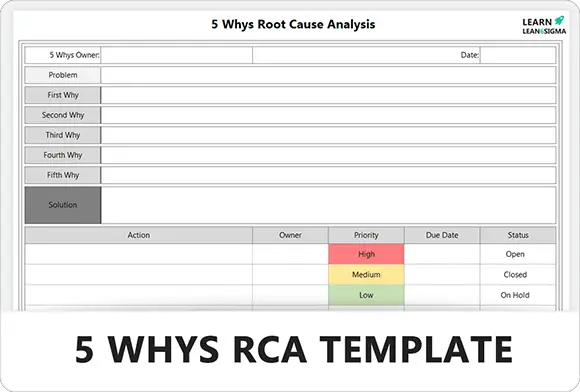
5 Whys Template
 Root Cause Analysis
Fishbone Diagram Template for Root Cause Analysis
 Six Sigma
Is/Is Not Template
 Risk Management
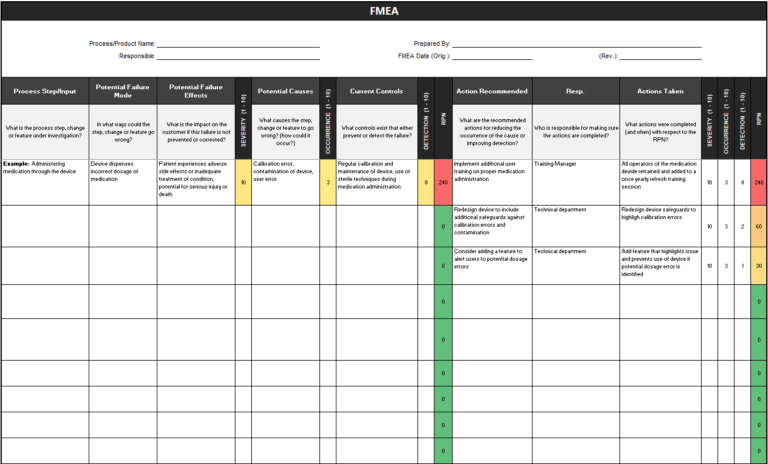
FMEA Template for Risk Analysis and Failure Prevention
 5S
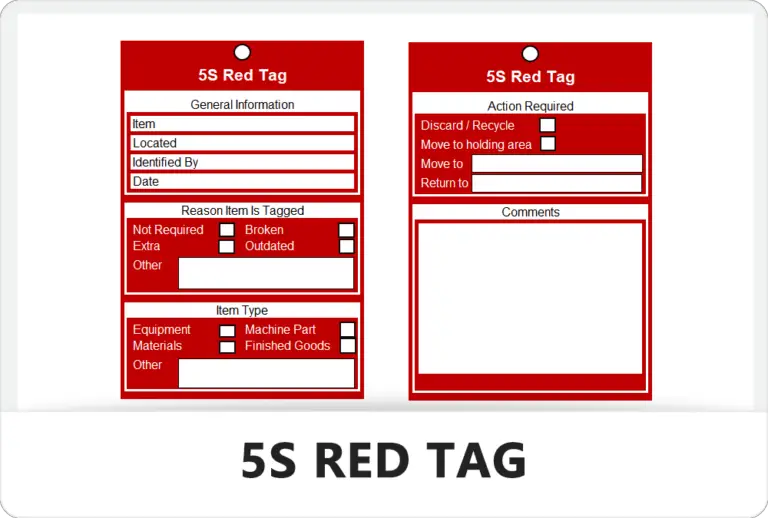
5S5S Red Tag Template
 TEMPLATE
Balanced Scorecard Template
 Six Sigma
DMAIC Project Report Template
 Strategy
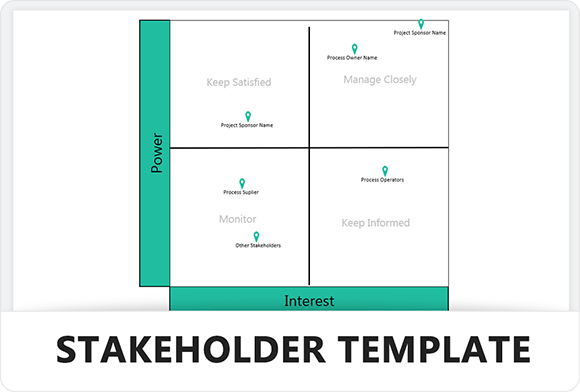
Stakeholder Priortization Matrix Template
 Template
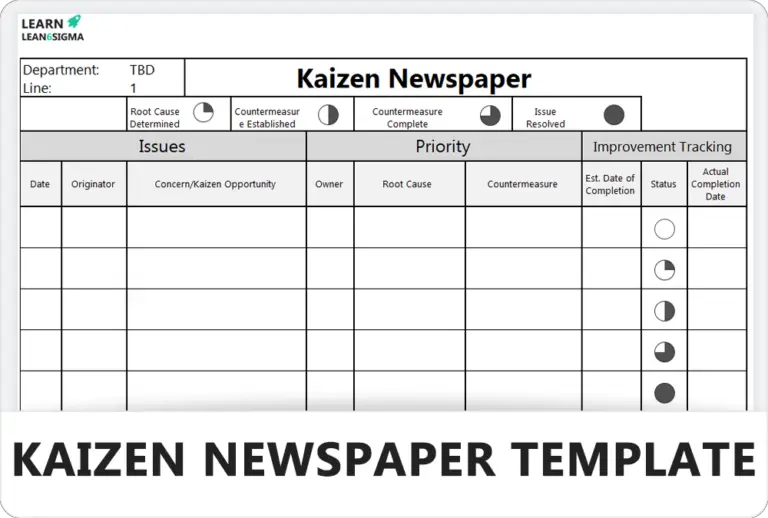
Kaizen Newspaper Template
 Risk Management
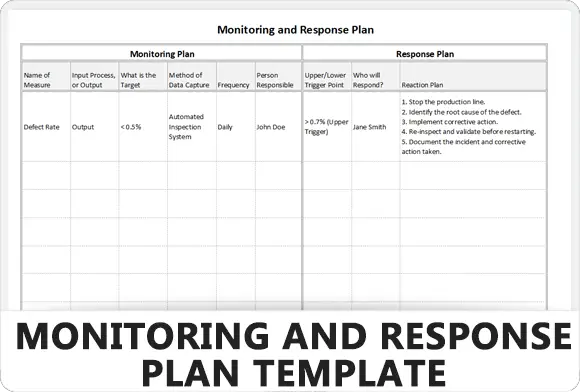
Monitoring and Response Plan Template
 Prioritisation
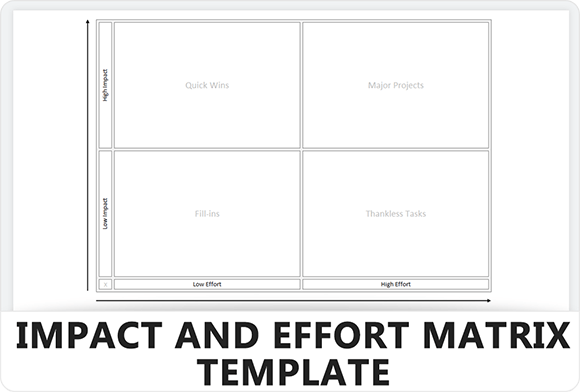
Impact and Effort Matrix Template
 Root Cause Analysis
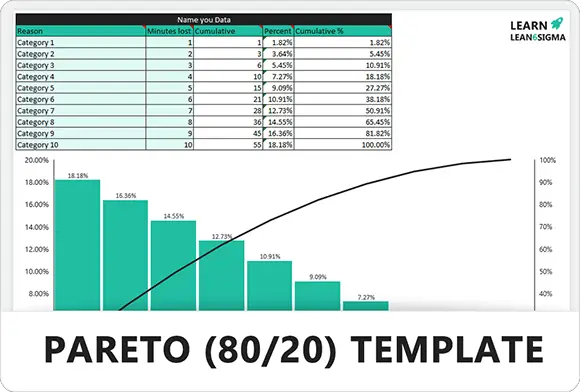
Pareto (80/20) Template
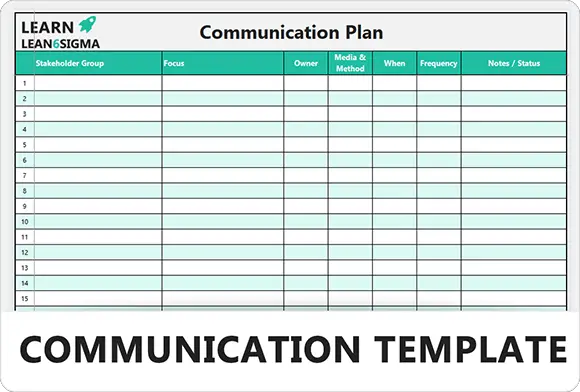 Six Sigma
Communication Plan Template
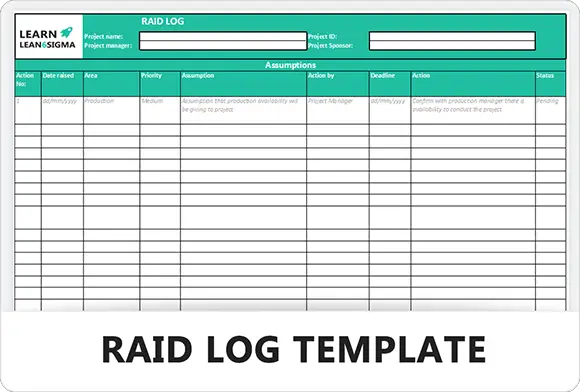 Risk Management
RAID Log Template
 Risk Management
Risk Assessment Template
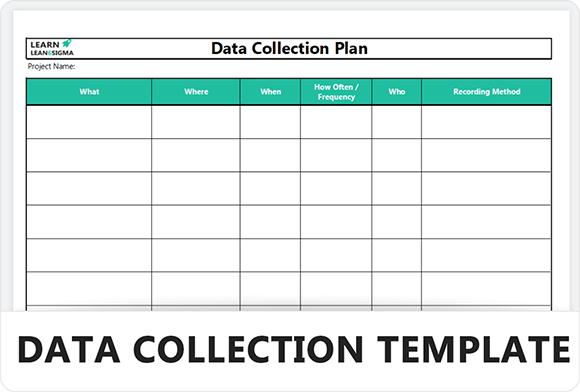 Six Sigma
Data Collection Plan Template
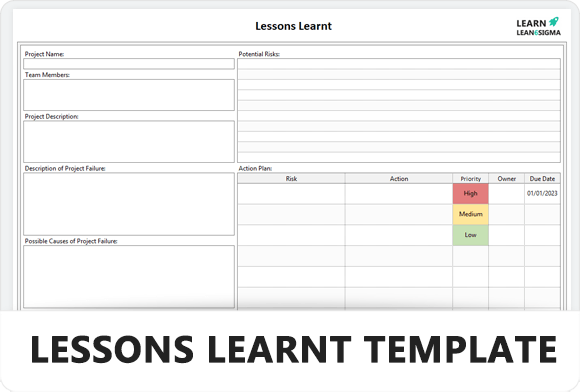 Template
Lessons Learned Template
 Template
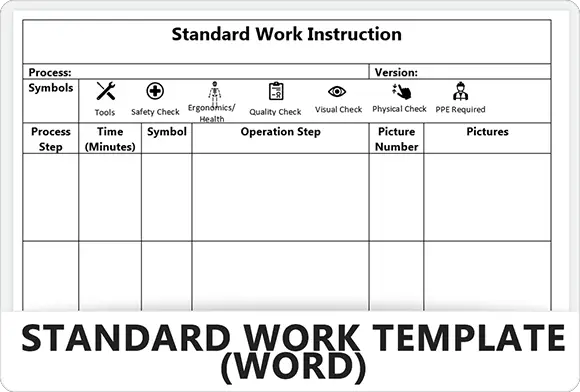
Standard Work Instructions Template (Word)
 Six Sigma
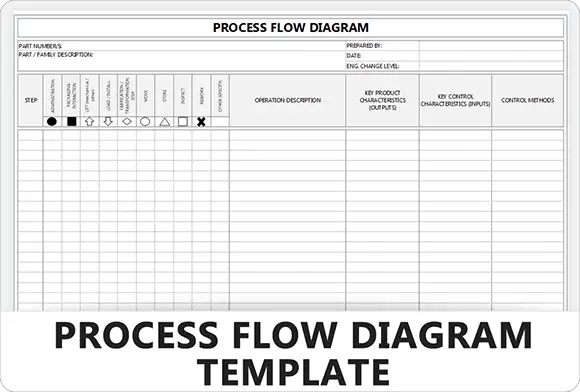
Process Flow Diagram Template
 Template
SWOT Analysis Template
 Template
Standard Work Instructions Template
 5S
5S5S Audit Template for Workplace Organisation & Sustainment
 Risk Management
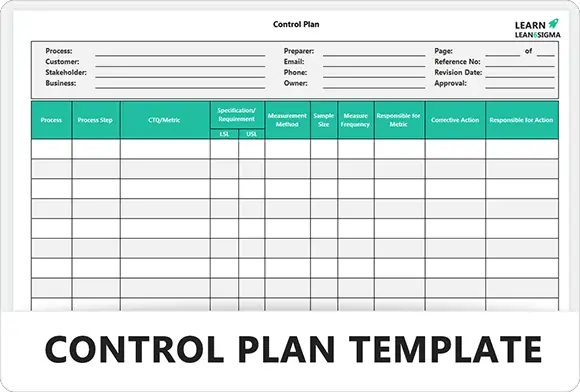
Control Plan Template
Free for Personal Use
Free
Instant Download • No CC Required
Download Excel Secure SSL 256-bit Encrypted
