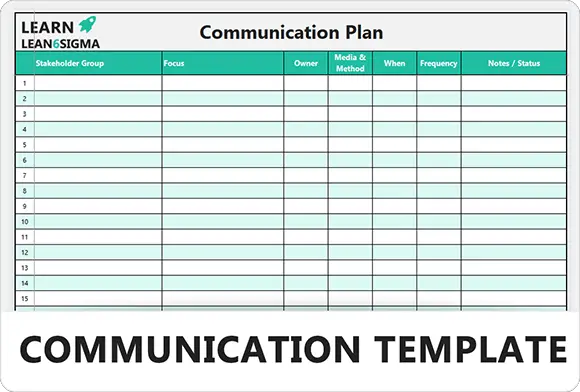
Communication Plan Template

Define the strategy for sharing critical project information. This template outlines the audience, frequency, methods, and ownership of messages to ensure stakeholders remain aligned, informed, and engaged throughout the lifecycle.

★★★★★
4.4 457 reviews
7K + Downloads
Updated February 2026
Template Hero

About this Template

The Communication Plan is the strategic roadmap for sharing critical project information. It eliminates the "grapevine" effect by clearly defining the who, what, when, and how of project messaging.

In project management and change initiatives, stakeholders must be kept informed to maintain alignment. This document formalizes the cadence of updates, ensuring that everyone from the Core Team to the Executive Sponsors receives the right level of detail.

Use this template to identify key audiences, select appropriate delivery channels, and assign ownership for every communication event.

Pro Tip: Communication is two-way. Ensure your plan includes a feedback mechanism (e.g., Q&A sessions, Surveys) to confirm that the message was not just sent, but understood.

A AUDIENCE M MESSAGE CHANNEL Method of Delivery T TIMING O OWNER

Audience Segmentation

Identifies target groups (Executives, Team, Customers) to tailor the message complexity, tone, and focus for maximum relevance.

Key Messages

Defines the core information to be shared. It ensures message consistency ("One Voice") regardless of which team member is speaking.

Channels & Methods

Specifies the vehicle for delivery (e.g., Email, Town Hall, Slack, Dashboard). The right channel ensures the message is actually seen.

Rhythm & Cadence

Establishes a predictable schedule (e.g., Weekly, Monthly). Consistent communication builds trust and keeps momentum high.

FREE

Join the 28-Day Lean Challenge

Take your skills to the next level. Join 15,000+ practitioners and get exclusive tools delivered to your inbox.

Daily Lessons 5 Bonus Templates PDF Guides
Start the Challenge

No spam. Unsubscribe anytime.

The 6-Step Communication Cycle

A systematic framework to identify stakeholders, craft the right message, and ensure information flows effectively. This cycle prevents the "grapevine" effect.

Step 01

Stakeholder Analysis

Identify who is impacted by the project. Group them by their level of influence and interest to determine how much communication they need.

Goal:

Create a list of all audiences (e.g., Core Team, Executives, Customers).

Step 02

Define Objectives

Why are you communicating? Is it to inform, request a decision, or train? Align on the desired outcome for each audience.

  • Awareness: Just letting them know.
  • Action: Need them to do something.
  • Alignment: Getting buy-in.
Step 03

Craft Key Messages

Tailor the narrative. Executives need high-level milestones and ROI. The project team needs detailed technical requirements and blockers.

Rule:

Right message, right person, right time.

Step 04

Select Channels

Choose the medium that fits the urgency and complexity. Don't use a meeting when an email will do; don't use email for urgent issues.

  • Synchronous: Meetings, Phone (Decisions).
  • Asynchronous: Email, Slack (Updates).
...
Step 05

Establish Cadence

Set the rhythm. Regularity builds trust and reduces anxiety. Define exactly when updates will occur (e.g., Every Monday at 9 AM).

Examples:

Daily Stand-ups, Weekly Status Reports, Monthly Steering.

Step 06

Measure & Feedback

Communication must be two-way. Use surveys or Q&A sessions to verify that the message was received and understood.

  • Validation: Did they understand?
  • Adaptation: Do we need to change channels?
CORE
Communication FAQ

Common Questions

Why do we need a formal plan?

Without a plan, information becomes fragmented. A plan ensures alignment, prevents the rumor mill from churning, and guarantees the right people get the right message at the right time. It shifts us from reactive clean-up to proactive leadership.
NO PLAN ALIGNED

Who needs to be informed?

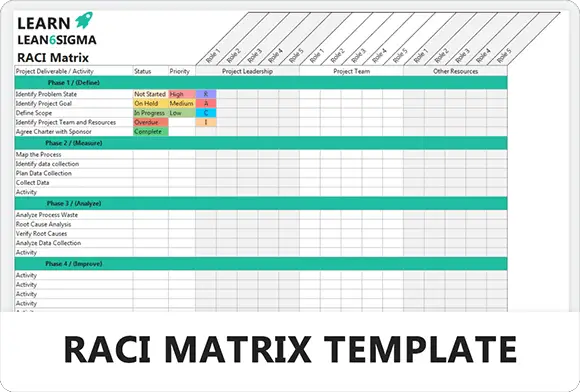
Not every stakeholder needs every detail. Use the RACI Model or a stakeholder map to segment your audience.

Core Team: Daily/Detailed updates.
Executives: High-level milestones & risks.
Company: Major launch announcements.
ALL EXEC CORE

Which channel should we use?

Match the medium to the message. Overusing "all-hands" meetings for simple updates causes fatigue.

  • Slack/Teams: Urgent, quick questions.
  • Email: Formal decisions, paper trails.
  • Intranet/Wiki: Long-term documentation.

Is communication just broadcasting?

No. Effective communication is a two-way loop. The plan must include mechanisms for feedback (Q&A sessions, surveys, or suggestion boxes).

If you are only sending information out without listening to what comes back, you aren't communicating; you're just making noise.
A B MESSAGE FEEDBACK
Free for Personal Use

Free

Instant Download • No CC Required

Download Excel
Secure SSL 256-bit Encrypted

What's Included

Free Template

Communication Plan Template

Download Now

On this page