James P. Womack, a prominent figure in the world of industrial engineering and management, is best known for his pivotal role in popularizing Lean manufacturing principles. Through his extensive research and influential publications, Womack has had a profound impact on how businesses around the globe approach production efficiency, quality, and overall operational excellence. This page delves into his life, key contributions, and the central concepts he introduced to the field of manufacturing.
Early Life and Education
James P. Womack was born in the United States, growing up in an era of significant industrial and technological change. His early academic pursuits were marked by a deep curiosity about the mechanics of industry and production. He earned his bachelor’s degree from the University of Chicago, a prestigious institution known for its rigorous academic standards and emphasis on critical thinking.
At the University of Chicago, Womack was exposed to a broad spectrum of ideas that shaped his analytical approach. He studied under influential economists and industrial theorists, which helped him develop a keen understanding of the economic and social dynamics that drive industrial practices.
Academic Pursuits at MIT
Womack’s academic journey continued at the Massachusetts Institute of Technology (MIT), where he pursued a Ph.D. in Political Science. MIT’s interdisciplinary environment allowed Womack to explore the intersections between political science, economics, and industrial engineering. His doctoral research provided him with a unique perspective on the global automotive industry, which would later become the focus of his groundbreaking work.
During his time at MIT, Womack was part of a research team at the International Motor Vehicle Program (IMVP), which aimed to understand the competitive dynamics of the global automotive industry. This research laid the groundwork for his future contributions to Lean manufacturing.
Key Contributions
Co-authorship of “The Machine That Changed the World”
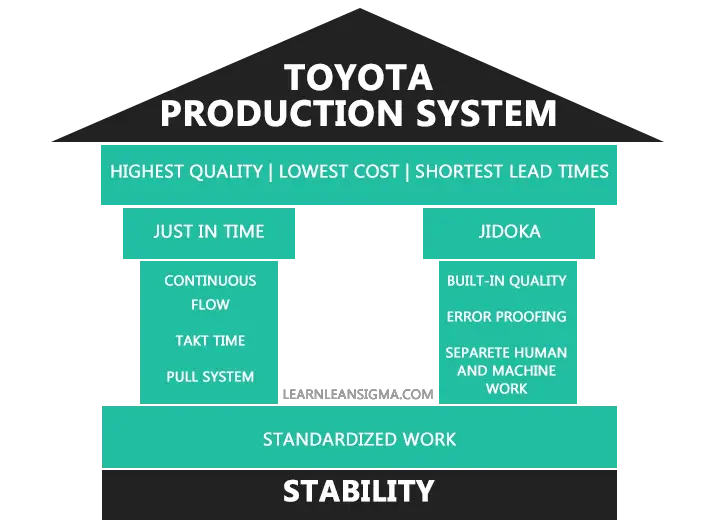
 In 1990, James P. Womack, along with Daniel T. Jones and Daniel Roos, co-authored “The Machine That Changed the World.” This book was the culmination of a comprehensive five-year study conducted at MIT, examining the global automotive industry with a particular focus on the Toyota Production System (TPS).
Impact of “The Machine That Changed the World”:
Revealing the Secrets of TPS: The book provided a detailed analysis of Toyota’s innovative production methods, which were far more efficient and flexible than the mass production techniques used by Western manufacturers at the time. Toyota’s emphasis on quality, continuous improvement, and waste elimination stood in stark contrast to the traditional practices of Western car manufacturers.
Defining Lean Manufacturing: It introduced the term “Lean manufacturing” to describe the efficient, waste-minimizing practices observed at Toyota. This term quickly gained traction in the business world, becoming synonymous with operational excellence.
 Global Influence: The insights from the book prompted numerous companies worldwide to adopt Lean principles, revolutionizing the manufacturing industry. Industries beyond automotive, such as healthcare, logistics, and services, began to implement Lean strategies to enhance efficiency and quality.
Co-authorship of “Lean Thinking”
Following the success of their first book, Womack and Jones collaborated again to write “Lean Thinking,” published in 1996. This work expanded on the concepts introduced in “The Machine That Changed the World” and provided a practical guide for implementing Lean principles across various industries.
Core Principles of “Lean Thinking”:
Value: Define value from the perspective of the customer. This principle emphasizes understanding what the customer truly wants and aligning the production process to meet these needs efficiently.
Value Stream: Map the value stream to identify and eliminate waste. By visualizing the entire production process, organizations can pinpoint non-value-adding activities and streamline operations.

Value Stream Map (VSM)
Flow: Ensure that value-creating steps flow smoothly without interruptions. A continuous flow reduces delays and increases productivity.
Pull: Produce only what is needed by the customer, reducing overproduction. This approach minimizes inventory costs and aligns production with actual demand.
Perfection: Strive for continuous improvement in all processes. The pursuit of perfection involves regularly assessing and refining processes to achieve higher efficiency and quality.
Significance of “Lean Thinking”:
Comprehensive Framework: The book outlined a clear, actionable framework for organizations to follow, making Lean principles accessible and applicable beyond manufacturing.
Case Studies and Examples: It included real-world case studies, illustrating how companies successfully implemented Lean practices to improve efficiency and customer satisfaction. These examples provided valuable insights and inspiration for organizations embarking on their Lean journey.
Enduring Influence: “Lean Thinking” became a seminal text in the field of operational management, widely used by practitioners and academics alike. Its principles continue to guide organizations in their quest for operational excellence.
Key Concepts Introduced by James P. Womack
Lean Thinking
At the heart of Womack’s contributions is the concept of Lean Thinking. This philosophy emphasizes creating more value for customers with fewer resources by optimizing the flow of work and eliminating waste. Lean Thinking challenges traditional production methods by promoting a culture of continuous improvement and respect for people.
Principles of Lean Thinking:
Customer-Centric Approach: Focus on delivering maximum value to the customer by understanding their needs and preferences. This involves engaging with customers to gather feedback and tailor products and services to meet their expectations.
Waste Elimination: Identify and eliminate activities that do not add value, such as overproduction, waiting, and defects. Lean Thinking categorizes waste into various types (e.g., transport, inventory, motion, waiting, overproduction, overprocessing, and defects) and provides strategies to address each type.
Continuous Improvement (Kaizen): Foster a culture where employees at all levels are encouraged to suggest and implement improvements. Kaizen involves small, incremental changes that collectively lead to significant enhancements in efficiency and quality.
Respect for People: Empower workers by involving them in decision-making processes and valuing their contributions. This principle emphasizes the importance of treating employees with respect, providing them with the tools and training needed to excel, and creating an environment where they feel valued and motivated.
Value Stream Mapping (VSM)
Value Stream Mapping is a crucial tool introduced and popularized by Womack. It involves visualizing the steps required to bring a product or service from conception to delivery, highlighting areas where waste can be eliminated and efficiency improved.
Value Stream Map (VSM)
Steps in Value Stream Mapping:
Identify the Value Stream: Select a product or service and outline its entire production process. This step involves defining the scope of the value stream and identifying key processes and stakeholders.
Map the Current State: Create a visual representation of the current process, including all steps and information flows. The current state map provides a baseline for identifying inefficiencies and areas for improvement.
Analyze for Waste: Identify non-value-adding activities and bottlenecks that hinder efficiency. This analysis involves scrutinizing each step in the value stream to determine if it adds value from the customer’s perspective.
Design the Future State: Develop an improved process map that eliminates waste and enhances flow. The future state map outlines the desired process configuration, focusing on value creation and waste reduction.
Implement and Monitor: Execute the new process and continuously monitor its performance for further improvements. Implementation involves deploying the future state plan, training employees, and establishing metrics to track progress.
Benefits of Value Stream Mapping:
Holistic View: Provides a comprehensive overview of the production process, helping teams understand the interdependencies between different steps. This holistic perspective facilitates better decision-making and coordination.
Waste Reduction: Identifies specific areas where waste occurs, enabling targeted improvement efforts. By eliminating waste, organizations can reduce costs, improve quality, and enhance customer satisfaction.
Enhanced Collaboration: Encourages cross-functional collaboration by involving various departments in the mapping process. This collaborative approach fosters a shared understanding of the value stream and promotes collective problem-solving.
Continuous Improvement: Serves as a foundation for ongoing improvement initiatives by regularly updating the value stream map. Continuous improvement involves iterative cycles of assessment, planning, implementation, and evaluation, driving sustained operational excellence.
Legacy and Ongoing Influence
James P. Womack’s contributions to Lean manufacturing and operational excellence have had a lasting impact on industries worldwide. His work has not only transformed manufacturing but also influenced sectors such as healthcare, service, and government. Organizations continue to apply Lean principles to enhance efficiency, reduce costs, and deliver better value to customers.
Womack’s emphasis on continuous improvement and respect for people remains relevant in today’s dynamic business environment. His teachings inspire companies to innovate and adapt, ensuring they stay competitive and responsive to changing customer needs.
Influences Beyond Manufacturing
Womack’s influence extends beyond the manufacturing sector. In healthcare, Lean principles are applied to improve patient care, reduce wait times, and streamline administrative processes. In the service industry, Lean methodologies enhance customer service, optimize workflows, and increase responsiveness. Government agencies use Lean strategies to improve public services, enhance efficiency, and reduce costs.
Continuous Improvement Culture
One of Womack’s most enduring legacies is the culture of continuous improvement he championed. Organizations that embrace Lean Thinking cultivate an environment where employees are empowered to identify problems, propose solutions, and implement changes. This culture of continuous improvement drives innovation, fosters employee engagement, and enhances organizational agility.
Conclusion
James P. Womack’s pioneering work in Lean manufacturing has reshaped the way businesses operate, emphasizing the importance of efficiency, waste reduction, and customer-centricity. Through his influential books, “The Machine That Changed the World” and “Lean Thinking,” Womack introduced key concepts like Lean Thinking and Value Stream Mapping, providing organizations with practical tools to achieve operational excellence. His legacy continues to guide and inspire practitioners in their pursuit of continuous improvement and sustainable success.