W. Edwards Deming is a key person in the history of quality management and continuous improvement. His profound contributions to these fields have left an indelible mark on businesses worldwide. Exploring his development, contributions, and key concepts that have shaped modern quality management practices is important.
Early Life and Development
W. Edwards Deming was born on October 14, 1900, in Sioux City, Iowa. Growing up in a modest family that valued education and hard work, Deming developed a strong foundation of perseverance and intellectual curiosity. His pursuit of education was marked by diligence and excellence, earning a degree in electrical engineering from the University of Wyoming, followed by a master’s degree from the University of Colorado, and finally a Ph.D. from Yale University. These academic achievements laid a strong foundation for his future endeavors in quality management.
Contributions to Quality Management and Continuous Improvement
Philosophy of Quality
Deming’s philosophy emphasized the importance of quality in all aspects of business operations. He believed that quality should not be an afterthought but an integral part of the production process. Deming argued that improving quality would lead to increased productivity, reduced costs, and higher customer satisfaction. His approach was holistic, viewing quality as a responsibility of everyone in the organization, from top management to front-line workers.
Statistical Process Control
One of Deming’s significant contributions was the introduction of statistical process control (SPC). This method involves using statistical techniques to monitor and control processes, ensuring that they operate at their maximum potential. By applying SPC, businesses can identify and eliminate sources of variation, leading to more consistent and predictable outcomes. Deming’s emphasis on data and statistical methods was revolutionary, shifting the focus from end-product inspection to process control.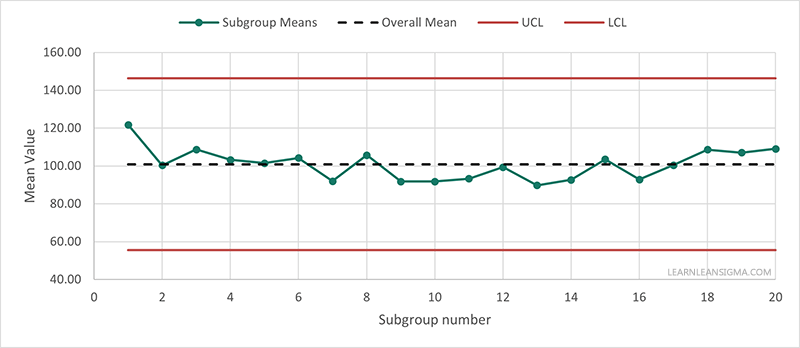
Key Concepts: Plan-Do-Check-Act (PDCA) Cycle
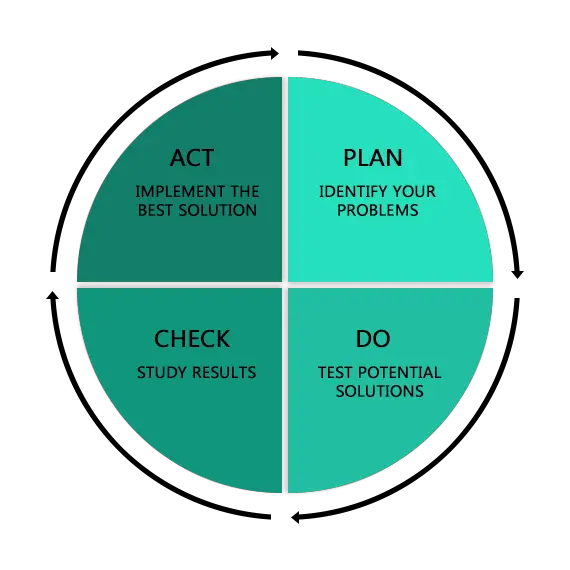
The PDCA Cycle, also known as the Deming Wheel or Deming Cycle, is a continuous loop of planning, doing, checking, and acting. This iterative process is designed to drive continuous improvement and problem-solving within organizations.
Plan
In the planning phase, teams identify an opportunity for improvement and plan the necessary steps to implement change. This phase involves setting objectives, identifying potential problems, and developing strategies to address them. Detailed planning ensures that all aspects of the proposed changes are considered, and potential pitfalls are anticipated.
Do
During the “do” phase, the plan is implemented on a small scale. This controlled implementation allows teams to test their hypotheses and gather data on the effectiveness of their strategies. Small-scale implementation minimizes risks and provides valuable insights that can be used to refine the plan.
Check
In the checking phase, the results of the implementation are evaluated. Teams compare the outcomes against the objectives set during the planning phase. This analysis helps determine whether the change has led to improvement or if further adjustments are needed. Data collected during this phase provides a basis for informed decision-making.
Act
The final phase, “act,” involves taking action based on the findings from the checking phase. If the change was successful, it is implemented on a larger scale. If not, teams revisit the cycle, refining their plan and strategies for better results. This phase ensures that successful changes are standardized and integrated into regular practice.
Deming’s 14 Points for Management
Deming’s 14 Points serve as a comprehensive framework for achieving continuous improvement and quality management within organizations. These principles guide businesses in creating a culture of quality and driving sustainable growth.
- Create Constancy of Purpose: Focus on long-term planning rather than short-term fixes. This encourages a strategic approach to improvement.
- Adopt the New Philosophy: Embrace change and innovation to stay competitive. This involves a shift in mindset towards quality-focused management.
- Cease Dependence on Inspection: Build quality into the process rather than relying solely on inspections. Prevention is emphasized over correction.
- End the Practice of Awarding Business on Price Alone: Consider quality and long-term relationships over cost. Quality and partnership are key to sustained success.
- Improve Constantly and Forever: Strive for continuous improvement in all aspects of the business. This creates a culture of perpetual enhancement.
- Institute Training: Provide ongoing training and development for employees. Skill development is crucial for maintaining high standards.
- Adopt and Institute Leadership: Foster leadership that supports quality and continuous improvement. Leaders should be coaches, not just supervisors.
- Drive Out Fear: Create an environment where employees feel safe to express ideas and concerns. A fear-free workplace encourages innovation and honesty.
- Break Down Barriers: Promote collaboration and communication across departments. Teamwork and communication enhance efficiency and problem-solving.
- Eliminate Slogans and Exhortations: Focus on systemic changes rather than motivational slogans. Real improvements come from actions, not words.
- Eliminate Numerical Quotas: Avoid using quotas and targets that can undermine quality. Focus on quality and process improvement, not just numbers.
- Remove Barriers to Pride in Workmanship: Ensure employees have the tools and support needed to do their jobs well. Pride in work leads to better quality.
- Encourage Education and Self-Improvement: Support continuous learning and personal development. Knowledge and growth drive innovation.
- Take Action to Accomplish the Transformation: Commit to the principles of quality management and take decisive action. Commitment from all levels of the organization is essential.
Impact and Legacy
Deming’s work has had a profound impact on industries worldwide. His principles have been adopted by organizations seeking to improve quality, enhance efficiency, and foster a culture of continuous improvement. Notably, his contributions played a pivotal role in the post-war reconstruction of Japan, transforming its manufacturing sector into a global leader in quality and innovation. Japanese companies such as Toyota, Sony, and Nissan attribute much of their success to Deming’s methods, which they integrated into their corporate philosophies.
Deming’s influence extends beyond manufacturing. His principles are applied in healthcare, education, government, and service industries. Organizations that embrace Deming’s teachings often report significant improvements in performance, employee satisfaction, and customer loyalty.
Conclusion
W. Edwards Deming’s legacy in quality management and continuous improvement is monumental. His philosophy, methods, and principles continue to guide organizations in their quest for excellence. By embracing Deming’s teachings, businesses can achieve sustained growth, increased productivity, and superior quality in their products and services.