Shigeo Shingo is an important figure in the field of manufacturing efficiency. His innovative concepts and methodologies have revolutionized the way production systems operate, significantly impacting industries worldwide. Among his many contributions, Shingo is best known for his work in the Toyota Production System (TPS) and for developing the concept of Poka-Yoke (mistake-proofing). Additionally, his pioneering efforts in Single-Minute Exchange of Die (SMED) have set new standards for operational excellence. This page delves into Shingo’s life, his key contributions, and the enduring impact of his work on modern manufacturing practices.
Early Life and Career
Shigeo Shingo was born on January 8, 1909, in Saga City, Japan. After graduating from Yamanashi Technical College, he began his career as an engineer at Taipei Railway Factory. His early experiences in the industry sparked his interest in improving production processes, leading him to pursue innovative solutions to manufacturing challenges. Throughout his career, Shingo worked with various organizations, but his collaboration with Toyota marked a turning point in his professional journey.
Contributions to the Toyota Production System
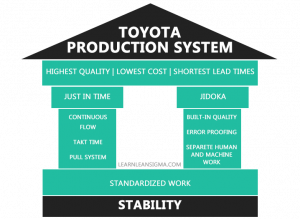 The Toyota Production System is renowned for its efficiency and effectiveness, and Shigeo Shingo’s contributions were instrumental in its development. Shingo’s insights into process improvement and waste reduction helped shape the TPS into the highly regarded system it is today. He emphasized the importance of continuous improvement (Kaizen) and introduced methods that significantly enhanced productivity and quality.
Poka-Yoke (Mistake-Proofing)
One of Shingo’s most influential contributions is the concept of Poka-Yoke, or mistake-proofing. Poka-Yoke is a technique used to prevent errors in the manufacturing process by designing mechanisms that either make it impossible to make a mistake or immediately detect and correct errors before they cause defects. This approach ensures that products are produced correctly the first time, reducing waste and improving overall quality.
Key Elements of Poka-Yoke
- Prevention: Designing processes in such a way that errors are impossible to occur.
- Detection: Implementing systems to detect errors as soon as they occur.
- Correction: Creating mechanisms to correct errors immediately upon detection.

Poka-Yoke devices can be as simple as a fixture that ensures parts are inserted correctly or as complex as automated sensors that halt production if a defect is detected. The goal is to create a fail-safe environment where errors are minimized, and quality is maximized.
Examples of Poka-Yoke
- Physical Guides: Using physical guides to ensure components are aligned correctly.
- Sensors and Alarms: Implementing sensors that trigger alarms or stop machines when anomalies are detected.
- Error-Proof Fixtures: Designing fixtures that only allow parts to be assembled in the correct orientation.
By integrating Poka-Yoke into manufacturing processes, companies can achieve significant reductions in defects and rework, leading to higher customer satisfaction and lower costs.
Single-Minute Exchange of Die
Another groundbreaking contribution by Shingo is the Single-Minute Exchange of Die methodology. SMED is a lean production technique designed to reduce the time required to changeover equipment from producing one product to another. By minimizing downtime, SMED enables manufacturers to operate with greater flexibility and responsiveness to market demands.
Steps of SMED
- Separate Internal and External Setup: Identify tasks that can be performed while the machine is running (external) and those that require the machine to be stopped (internal).
- Convert Internal Setup to External Setup: Modify internal tasks so they can be done externally, reducing downtime.
- Streamline All Aspects of Setup: Simplify and optimize remaining setup tasks to further reduce changeover time.
Benefits of SMED
- Reduced Downtime: Minimizing changeover time increases machine availability and productivity.
- Increased Flexibility: Faster changeovers allow for shorter production runs and quicker response to customer demands.
- Lower Inventory Levels: Reduced setup time enables just-in-time production, decreasing the need for large inventories.
By implementing SMED, companies can significantly enhance their operational efficiency, allowing for more agile and cost-effective production processes.
Shingo’s Legacy and Impact
Shigeo Shingo’s work has left an indelible mark on the manufacturing industry. His concepts of Poka-Yoke and SMED are widely adopted across various sectors, from automotive to electronics. By focusing on error prevention and rapid changeovers, Shingo’s methodologies have helped companies achieve higher quality, lower costs, and greater agility in their operations.
Shingo’s legacy extends beyond his specific contributions to the broader principles of lean manufacturing. His emphasis on continuous improvement, employee involvement, and waste reduction resonate with modern lean practices. Today, Shingo’s teachings are integral to lean training programs and are studied by engineers and managers aiming to enhance operational efficiency.
Conclusion
Shigeo Shingo’s innovative thinking and practical methodologies have transformed manufacturing processes around the world. His work with the Toyota Production System, particularly in developing Poka-Yoke and SMED, has provided companies with powerful tools to improve quality and efficiency. As industries continue to evolve, Shingo’s contributions remain as relevant and valuable as ever, guiding the pursuit of excellence in manufacturing.


