The Cost of Poor Quality is an essential concept for businesses striving to improve efficiency and reduce waste. COPQ encompasses all costs that arise due to defects in products or services, effectively representing the financial impact of not achieving the desired quality. If a company operated perfectly, without any defects or failures, these costs would not exist. COPQ is broadly divided into four categories: Internal Failure Costs, External Failure Costs, Appraisal Costs, and Prevention Costs.

Internal Failure Costs
Internal Failure Costs are expenses related to defects that are identified and rectified before the product or service reaches the customer. These costs arise within the production or service delivery process.
Examples of Internal Failure Costs include:
- Scrap: The cost of materials that are unusable and discarded due to defects.
- Rework: Expenses incurred in correcting defective products or services.
- Re-inspection: Costs associated with inspecting reworked products to ensure they meet quality standards.
- Downtime: Losses from halted production or service activities caused by addressing defects.
External Failure Costs
External Failure Costs occur when defects are discovered after the product or service has been delivered to the customer. These costs are usually higher than internal failure costs due to their impact on customer satisfaction and the company’s reputation.
Examples of External Failure Costs include:
- Warranty Claims: Costs incurred in repairing or replacing defective products under warranty.
- Returns: Expenses associated with handling and processing returned products.
- Recalls: Significant costs related to recalling defective products from the market.
- Lost Sales: Revenue lost due to customers choosing competitors over dissatisfaction with defective products or services.
Appraisal Costs
Appraisal Costs are associated with activities that measure, evaluate, or audit products and services to ensure they meet quality standards. These costs are incurred to detect defects before the product or service reaches the customer, thus helping to prevent external failures.
Examples of Appraisal Costs include:
- Inspection: Costs of inspecting products at various stages of production to identify defects.
- Testing: Expenses related to testing products or services to ensure they meet quality specifications.
- Audits: Costs of conducting audits to review processes and ensure compliance with quality standards.
Prevention Costs
Prevention Costs are incurred to avoid defects in the first place. These costs are associated with quality planning, training, and proactive process control measures aimed at preventing the occurrence of defects.
Examples of Prevention Costs include:
- Process Design: Investment in designing robust processes that minimize the likelihood of defects.
- Quality Improvement Projects: Costs of projects aimed at improving processes and quality.
- Employee Training: Expenses related to training employees on quality standards, best practices, and problem-solving techniques.
The Importance of Managing COPQ
Effectively managing and reducing COPQ is critical for businesses aiming to enhance profitability and customer satisfaction. By understanding the different components of COPQ and implementing strategies to minimize these costs, companies can achieve substantial cost savings, improve product and service quality, and maintain a competitive edge in the market.
Reducing COPQ not only lowers expenses but also enhances operational efficiency, fosters a culture of continuous improvement, and builds a stronger reputation for quality. This, in turn, leads to increased customer loyalty, higher sales, and a healthier bottom line.
By prioritizing quality and making strategic investments in prevention and appraisal activities, businesses can significantly reduce internal and external failure costs, paving the way for long-term success and sustainability.
How to Identify COPQ in Your Organization
To effectively manage and reduce COPQ, businesses must first identify where these costs are occurring. This process involves three critical steps:
Step 1: Gather Data
 Collecting data is the foundation of identifying COPQ. This involves gathering comprehensive information on all aspects of production and service delivery. Key data points include:
- Defects: Track the number and types of defects occurring at different stages of production.
- Rework: Document instances where products or services need to be reworked due to defects.
- Scrap: Record the amount of material that is discarded because it is unusable.
- Returns: Monitor the volume and reasons for product returns.
- Customer Complaints: Log complaints received from customers regarding product or service quality.
By systematically collecting this data, businesses can begin to quantify the costs associated with each category of COPQ.
Step 2: Analyze Processes
Once the data is gathered, the next step is to analyze the processes to identify where defects are occurring. This involves:
- Reviewing Production Processes: Examine the production workflow to spot patterns and common causes of failure.
- Identifying Bottlenecks: Look for stages in the process where defects frequently occur or where production slows down.
- Root Cause Analysis: Conduct thorough investigations to determine the underlying causes of defects and failures.

This analysis helps pinpoint specific areas where improvements are needed and provides insights into potential solutions.
Step 3: Calculate COPQ
The final step is to calculate the total COPQ. This involves summing the costs associated with internal failures, external failures, appraisal activities, and prevention efforts. Here’s how to approach this calculation:
- Internal Failure Costs: Total the expenses related to defects found before products reach customers, such as scrap and rework.
- External Failure Costs: Sum the costs incurred from defects found after delivery, like returns and warranty claims.
- Appraisal Costs: Add up the expenses from activities aimed at detecting defects before delivery, such as inspections and testing.
- Prevention Costs: Include the costs of efforts to prevent defects, like employee training and quality improvement projects.
By calculating these costs, businesses can gain a comprehensive understanding of the financial impact of poor quality within their organization. This calculation provides a clear picture of where money is being lost and highlights areas where targeted improvements can lead to significant cost savings.
Strategies for Reducing COPQ
Once you have identified and quantified the COPQ within your organization, the next crucial step is to implement strategies to reduce these costs. Effective approaches to reducing COPQ can significantly enhance quality, improve customer satisfaction, and boost profitability. Here are some detailed strategies to achieve this:
Improve Process Control
Implementing robust process control measures is essential to ensure consistency and quality in production. Statistical Process Control (SPC) techniques can be particularly effective. SPC involves using statistical methods to monitor and control a process, ensuring that it operates at its full potential to produce conforming products.
- Monitoring: Continuously monitor production processes to detect any variations or deviations from the standard.
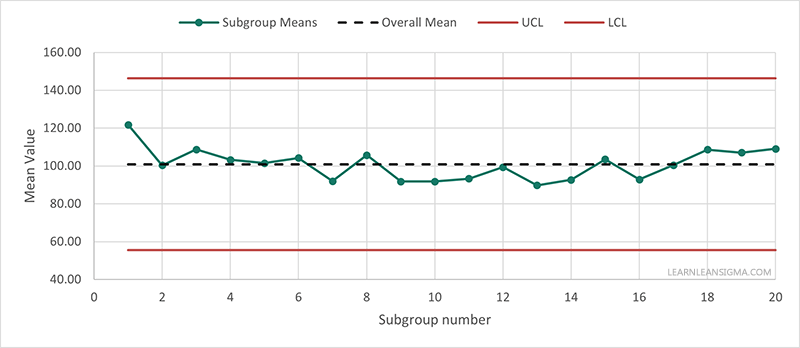
- Control Charts: Utilize control charts to visualize process performance and identify trends or patterns that indicate potential problems.
- Adjustments: Make real-time adjustments based on data to correct any issues before they lead to defects.
By maintaining tight control over production processes, businesses can significantly reduce the occurrence of defects, leading to lower internal failure costs.
Enhance Employee Training
Investing in comprehensive training programs for employees is a critical strategy for reducing COPQ. Well-trained employees are more likely to perform their tasks correctly and identify potential quality issues before they escalate.
- Quality Standards: Educate employees on the company’s quality standards and expectations.
- Problem-Solving Techniques: Train employees in problem-solving techniques, such as root cause analysis, to address and prevent quality issues.
- Process Improvement: Provide training on process improvement methodologies like Lean and Six Sigma to empower employees to contribute to continuous improvement efforts.
Enhanced training ensures that employees have the skills and knowledge needed to maintain high-quality standards, reducing both internal and external failure costs.
Implement Quality Management Systems
Adopting a Quality Management System (QMS) such as ISO 9001 provides a structured framework for managing and improving quality. A QMS standardizes processes, sets clear quality objectives, and fosters a culture of continuous improvement.
- Standardization: Standardize procedures to ensure consistency in production and service delivery.
- Documentation: Maintain thorough documentation of processes, procedures, and quality standards.
- Continuous Improvement: Implement mechanisms for continuous monitoring and improvement of processes.
A QMS helps reduce defects and failures, ultimately lowering COPQ by ensuring that quality is built into every aspect of the organization.
Focus on Prevention
Preventing defects from occurring in the first place is more cost-effective than detecting and correcting them later. Emphasizing preventive measures can greatly reduce COPQ.
- Mistake-Proofing (Poka-Yoke): Implement mistake-proofing techniques to design processes that prevent errors from occurring.
- Robust Design: Use robust design principles to create products and processes that are inherently less prone to defects.
- Regular Maintenance: Conduct regular maintenance and calibration of equipment to prevent breakdowns and ensure optimal performance.
By focusing on prevention, businesses can minimize the occurrence of defects, leading to significant cost savings.
Conduct Regular Audits
Performing regular quality audits is an effective way to identify areas for improvement and ensure compliance with quality standards. Audits can uncover potential issues before they become significant problems.
- Internal Audits: Conduct internal audits to review processes and procedures, ensuring they meet quality standards.
- External Audits: Engage external auditors to provide an objective assessment of your quality management practices.
- Corrective Actions: Implement corrective actions based on audit findings to address any identified issues.
Regular audits help maintain high-quality standards and provide opportunities for continuous improvement, reducing COPQ over time.
The Benefits of Reducing COPQ
Implementing strategies to reduce COPQ offers numerous benefits to organizations. These include:
Cost Savings
By reducing the costs associated with poor quality, businesses can achieve significant cost savings. These savings can be reinvested in other areas of the business, such as research and development, marketing, or expanding operations. Cost savings from reduced rework, scrap, returns, and customer complaints directly improve the bottom line.
Improved Customer Satisfaction
Higher quality products and services lead to increased customer satisfaction. Satisfied customers are more likely to become repeat customers and recommend your business to others. Enhanced quality can result in fewer complaints and returns, contributing to a positive customer experience and stronger customer loyalty.
Enhanced Reputation
Consistently delivering high-quality products and services enhances your company’s reputation. A strong reputation for quality can differentiate your business from competitors and attract new customers. An excellent reputation can also lead to more favorable reviews and increased trust among consumers, further driving sales.
Increased Profitability
Reducing COPQ directly impacts the bottom line. Lower costs associated with poor quality, combined with higher customer satisfaction, translate to increased profitability. A healthier financial position enables businesses to invest in growth opportunities and withstand market fluctuations more effectively.


