Counter measures are essential in continuous improvement, particularly within the framework of Lean Six Sigma. They are the actions or steps taken to address and eliminate the root causes of problems, ensuring that these issues do not recur. This guide will walk you through the concept of counter measures, their importance, how to identify and implement them, and best practices for sustaining improvements.
What are Counter Measures?
Counter measures are proactive and strategic actions taken to address and prevent the recurrence of problems within an organization. They go beyond temporary fixes, which might only address the immediate symptoms of an issue. Instead, counter measures focus on identifying and resolving the root causes, leading to sustainable and long-term solutions. This approach is central to the philosophy of continuous improvement, where the goal is to perpetually enhance processes, products, and services.
In the context of Lean Six Sigma, a methodology that combines lean manufacturing principles with Six Sigma quality control tools, counter measures are indispensable. Lean focuses on eliminating waste and improving process flow, while Six Sigma emphasizes reducing variability and defects. Together, these methodologies rely heavily on identifying root causes of issues and implementing counter measures to ensure those issues do not recur. This integrated approach helps organizations achieve and maintain high levels of quality and efficiency.
The Difference Between Counter Measures and Quick Fixes
It’s important to distinguish between counter measures and quick fixes. Quick fixes may provide immediate relief but often fail to address the underlying causes of a problem. For example, if a machine frequently breaks down, a quick fix might involve repairing the machine each time it fails. In contrast, a counter measure would involve analyzing why the machine breaks down (e.g., lack of maintenance, poor-quality parts) and implementing actions to prevent these breakdowns from happening in the first place.
Key Characteristics of Effective Counter Measures
- Root Cause Focused: Effective counter measures are based on a thorough analysis of the root causes of problems, rather than just addressing surface-level symptoms.
- Sustainable: They provide long-term solutions that prevent the recurrence of issues, contributing to lasting improvements.
- Proactive: Counter measures are implemented before problems become critical, reducing the risk of severe disruptions.
- Measurable: The impact of counter measures can be quantified, allowing organizations to track their effectiveness and make data-driven decisions.
- Integrated: They are embedded into the organization’s processes and culture, ensuring that improvements are maintained over time.
Importance of Counter Measures
Implementing effective counter measures is crucial for several reasons:
Preventing Recurrence of Problems
One of the primary benefits of counter measures is their ability to prevent problems from recurring. By addressing the root causes, organizations can avoid the same issues cropping up repeatedly. This not only saves time and resources but also minimizes disruptions to operations. For instance, if a production line frequently halts due to equipment failures, identifying and resolving the root cause (such as inadequate maintenance or poor-quality components) can ensure smoother and more reliable operations.
Improving Process Efficiency and Product Quality
Counter measures contribute significantly to enhancing overall process efficiency and product quality. By eliminating the root causes of defects and inefficiencies, processes become more streamlined and reliable. This leads to higher-quality products, fewer defects, and less rework, which in turn reduces costs and increases customer satisfaction. For example, if a manufacturing process consistently produces defective parts due to a miscalibrated machine, recalibrating and regularly maintaining the machine as a countermeasure can dramatically improve product quality.
Creating a Culture of Continuous Improvement
Implementing countermeasures helps cultivate a culture of continuous improvement within an organization. When employees are encouraged to identify and solve problems proactively, it creates an environment where continuous learning and improvement are valued. This cultural shift can lead to greater innovation, higher employee engagement, and a stronger competitive advantage. For example, if employees are trained to use problem-solving tools like the Five Whys or Fishbone Diagram, they are more likely to identify root causes and implement effective counter measures, leading to ongoing improvements.
Long-Term Cost Savings
While the initial implementation of countermeasures may require an investment of time and resources, the long-term cost savings can be substantial. By preventing problems from recurring, organizations reduce the need for constant troubleshooting and emergency repairs, which can be costly and disruptive. Additionally, higher process efficiency and product quality often result in lower production costs and higher customer satisfaction, which can positively impact the bottom line.
Enhancing Organizational Resilience
Effective countermeasures enhance an organization’s resilience by making its processes more robust and less susceptible to disruptions. This is particularly important in industries where reliability and consistency are critical. For example, in the automotive industry, implementing countermeasures to address the root causes of component failures can lead to more reliable vehicles and fewer recalls, enhancing the manufacturer’s reputation and customer trust.
Identifying Problems and Root Causes
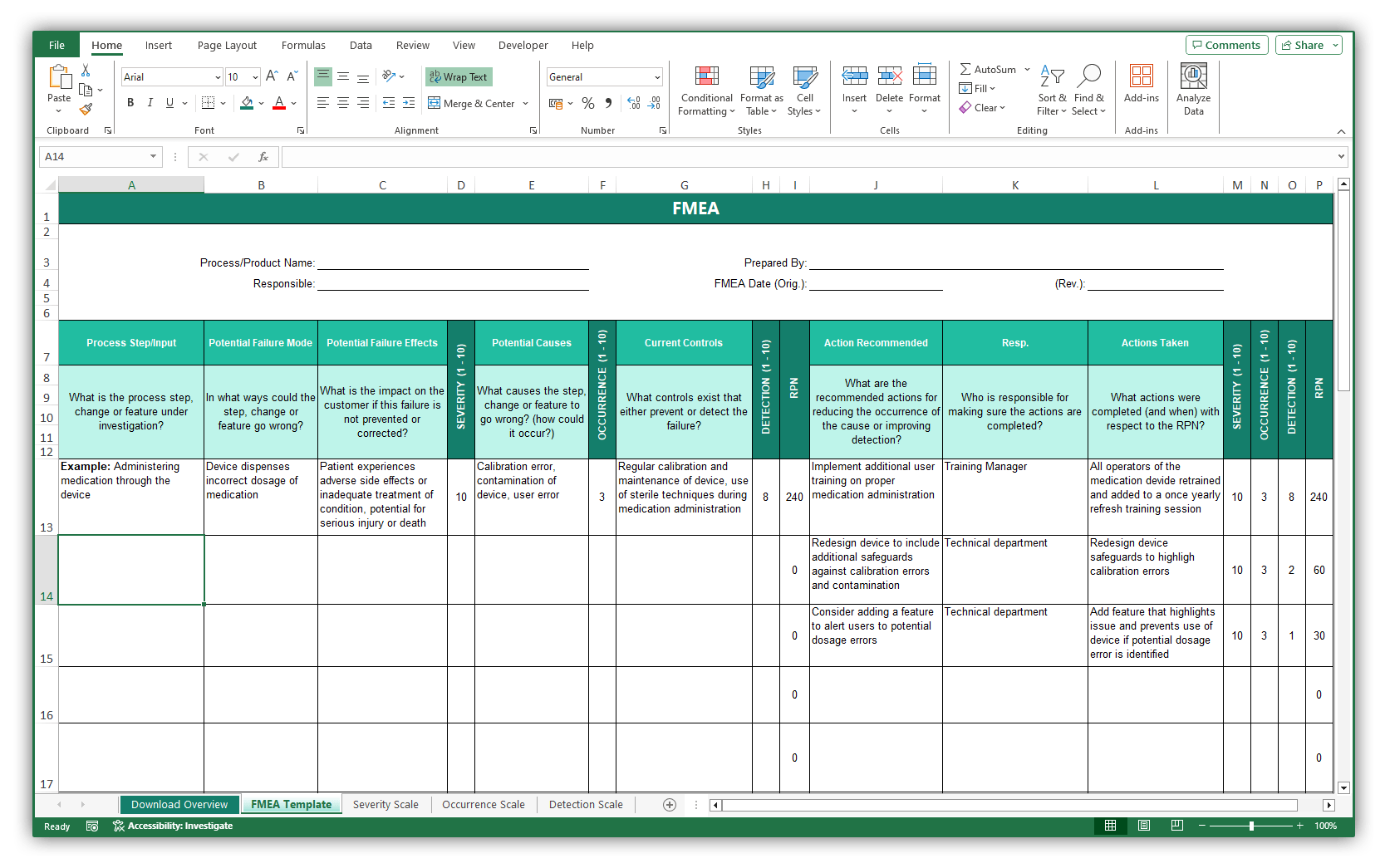
Before implementing countermeasures, it is crucial to accurately identify both the problem and its root causes. This involves a comprehensive analysis of the issue to ensure that the actions taken to address the true source of the problem, rather than just its symptoms. Various analytical tools can help in this process, including the Five Whys, Fishbone Diagram (Ishikawa), and Failure Mode and Effects Analysis (FMEA). Each of these tools provides a structured approach to problem-solving and can be invaluable in uncovering the root causes of issues.
Analytical Tools for Identifying Root Causes
The Five Whys Technique
The Five Whys is a simple but powerful tool for identifying the root cause of a problem. By repeatedly asking “why” (typically five times), you can drill down through the layers of symptoms to uncover the underlying issue. Here’s a step-by-step example of how the Five Whys technique works:
Why did the machine stop?
Why did the fuse blow?
Why did the motor overheat?
- There was insufficient lubrication.
Why was there insufficient lubrication?
- The lubrication pump was not functioning.
Why was the lubrication pump not functioning?
- The pump was clogged with debris.
By identifying that the root cause is the clogged pump, rather than just replacing the fuse, we can implement a counter measure that addresses the actual issue, such as improving the maintenance schedule or installing a filter to prevent debris from clogging the pump.
Fishbone Diagram (Ishikawa)
The Fishbone Diagram, also known as the Ishikawa or cause-and-effect diagram, is another valuable tool for identifying root causes. This diagram helps categorize potential causes of problems into major categories, such as People, Processes, Materials, Machinery, Environment, and Methods. By mapping out these categories, you can visually display the various factors contributing to the problem and analyze them systematically.
Example:
Suppose a manufacturing process produces defective parts. By using a Fishbone Diagram, you can categorize potential causes:
- People: Lack of training, human error.
- Processes: Inadequate procedures, lack of standardization.
- Materials: Poor quality of raw materials, inconsistent supply.
- Machinery: Equipment malfunctions, inadequate maintenance.
- Environment: Unfavorable working conditions, temperature fluctuations.
- Methods: Incorrect methods, outdated practices.
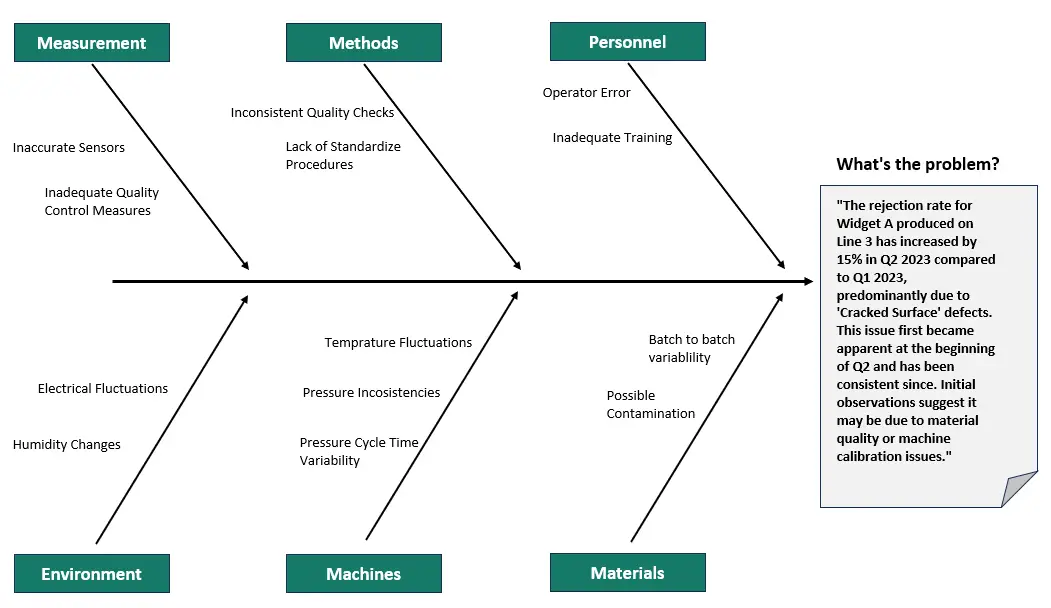
This visual representation helps teams brainstorm and identify specific areas to investigate further.
Failure Mode and Effects Analysis (FMEA)
FMEA is a systematic method for evaluating processes to identify where and how they might fail and assessing the relative impact of different failures. It involves the following steps:
- Identify Failure Modes: List all the ways a process can fail.
- Determine Effects: Identify the consequences of each failure mode.
- Assign Severity: Rate the severity of each effect on a scale.
- Identify Causes: Determine the root causes of each failure mode.
- Assign Occurrence: Rate the likelihood of each cause occurring.
- Identify Current Controls: List existing controls that prevent the failure mode.
- Assign Detection: Rate the likelihood of detecting each failure mode before it occurs.
- Calculate Risk Priority Number (RPN): Multiply the severity, occurrence, and detection ratings to prioritize the failure modes.
- Develop Action Plans: Create plans to reduce or eliminate the highest-priority failure modes.

FMEA helps prioritize issues based on their impact and likelihood, ensuring that the most critical problems are addressed first.
Implementing Counter Measures
After identifying the root cause of a problem, the next critical step is to develop and implement countermeasures. These measures must be specific, actionable, and sustainable. They should directly address the root cause and involve input from all relevant stakeholders to ensure their effectiveness and acceptance. Here’s a detailed guide on how to implement countermeasures successfully.
Steps to Implement Counter Measures
Step 1: Develop a Plan
The first step in implementing counter measures is to develop a comprehensive plan. This plan should outline the specific actions needed to address the root cause, assign responsibilities, set timelines, and define success criteria. Here’s how to do it:
- Define Specific Actions: Clearly describe the counter measures to be implemented. For instance, if the root cause of a machine breakdown is insufficient lubrication, a specific action might be to install an automatic lubrication system.
- Assign Responsibilities: Identify who will be responsible for each action. This ensures accountability and helps distribute the workload effectively.
- Set Timelines: Establish realistic timelines for the implementation of each action. This helps keep the project on track and ensures timely completion.
- Define Success Criteria: Determine how you will measure the success of the countermeasures. This could involve setting specific performance targets or using key performance indicators (KPIs).
2. Communicate the Plan
Effective communication is crucial to the successful implementation of countermeasures. All stakeholders must be aware of the plan and understand their roles. Here’s how to communicate the plan effectively:
- Hold Meetings: Schedule meetings with all relevant stakeholders to discuss the plan in detail. Ensure that everyone understands the actions to be taken, their responsibilities, and the timelines.
- Provide Documentation: Share written documentation of the plan with all stakeholders. This can include detailed action plans, timelines, and success criteria.
- Encourage Feedback: Create opportunities for stakeholders to provide feedback on the plan. This can help identify potential issues and ensure that the plan is feasible and effective.
3. Execute the Plan
With the plan in place and all stakeholders informed, the next step is to execute the countermeasures. This involves implementing the specific actions outlined in the plan. Here’s how to ensure successful execution:
- Implement Changes: Carry out the actions specified in the plan. This might involve making changes to processes, installing new equipment, or conducting training sessions for employees.
- Provide Support: Ensure that all stakeholders have the resources and support they need to execute their tasks. This can include providing necessary tools, training, and assistance.
- Monitor Progress: Keep track of the implementation process to ensure that actions are being carried out as planned. This can involve regular check-ins with stakeholders and using project management tools to track progress.
4. Monitor and Evaluate
Continuous monitoring and evaluation are essential to ensure the effectiveness of the countermeasures. Here’s how to monitor and evaluate the implementation:
- Collect Data: Gather data on the performance of the countermeasures. This can include tracking KPIs, collecting feedback from stakeholders, and monitoring process performance.
- Analyze Results: Analyze the data to determine whether the counter measures are achieving the desired outcomes. This can involve comparing performance metrics before and after implementation.
- Make Adjustments: If the counter measures are not achieving the desired results, make necessary adjustments. This can involve revising the plan, implementing additional actions, or addressing unforeseen issues.
Sustaining Improvements
Sustaining the improvements achieved through counter measures is critical for long-term success. This involves embedding the changes into the organization’s standard operating procedures (SOPs) and fostering a culture of continuous improvement. Here’s how to sustain improvements effectively:
Standardization
- Document Processes: Clearly document the new processes and procedures that have been implemented. This ensures consistency and provides a reference for employees.
- Update SOPs: Incorporate the changes into the organization’s standard operating procedures. This formalizes the improvements and makes them a permanent part of the organization’s operations.
- Train Employees: Provide training to employees on the new processes and procedures. This ensures that everyone understands and follows the updated SOPs.
Training and Development
- Continuous Training: Offer ongoing training and development opportunities to reinforce the importance of the improvements and ensure that employees stay up-to-date with best practices.
- Encourage Innovation: Foster a culture where employees are encouraged to identify and implement further improvements. This can involve creating suggestion programs, holding regular improvement meetings, and recognizing and rewarding innovative ideas.
Regular Audits
- Conduct Audits: Regularly audit the processes to ensure that the countermeasures are being followed and are effective. This can involve internal audits, peer reviews, or third-party assessments.
- Identify Improvement Opportunities: Use the audits to identify further opportunities for improvement. This ensures that the organization continues to evolve and improve over time.
Feedback Loops
- Establish Feedback Mechanisms: Create mechanisms for employees and stakeholders to provide feedback on the new processes and procedures. This can involve surveys, suggestion boxes, or regular feedback meetings.
- Act on Feedback: Use the feedback to make continuous improvements. This ensures that the countermeasures remain effective and that any issues are addressed promptly.
Conclusion
Counter measures are a fundamental aspect of continuous improvement. By addressing the root causes of problems, they help prevent recurrence, improve efficiency, and enhance quality. Implementing effective counter measures requires a thorough understanding of the problem, a well-developed plan, and ongoing monitoring and evaluation. By following these steps and best practices, organizations can achieve sustainable improvements and foster a culture of continuous improvement.
Understanding and applying counter measures effectively can transform an organization’s approach to problem-solving and pave the way for ongoing success and excellence.